My biggest goal as a teacher is to inspire students to value curiosity, growth, and high achievement.
Media Literacy and Social Media
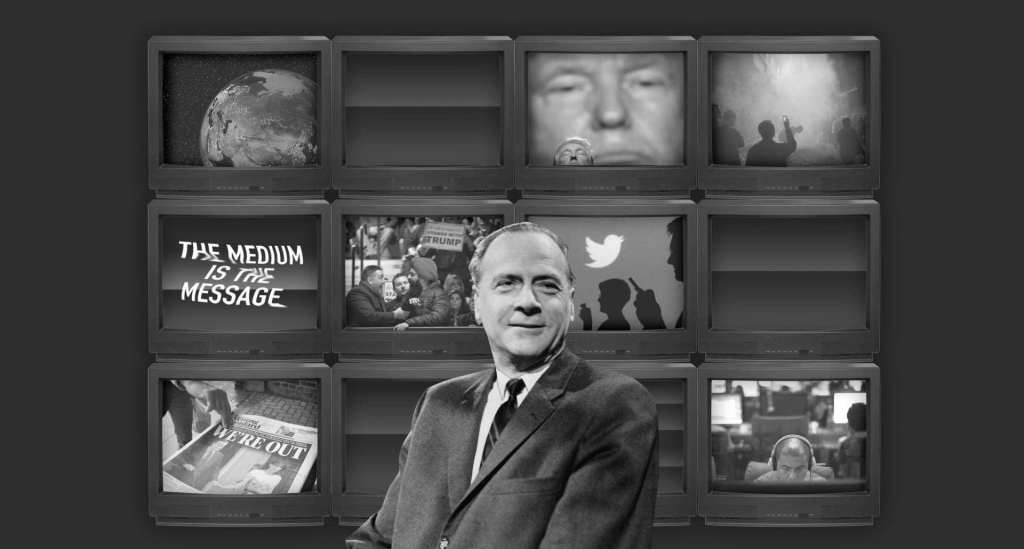
At WCU, I teach a first-year experience course entitled COMM 190: Media Literacy in an Age of Social media. Students watch Inside, by comedian Bo Burnham, to think about how social media shapes identity and culture. We watch Spotlight (2015) to learn about investigative journalism and to talk about how social media has changed the landscape of journalism and news. The course culminates with a unit and final project on conspiracy theories. We talk about the tension between conspiracies as toxic forms of public discourse vs conspiracies as often justified skepticism towards governments and institutions. Students learn how to evaluate the credibility of different sources related to a given conspiracy, from TikTok influencers to scholarly articles.


Public Speaking
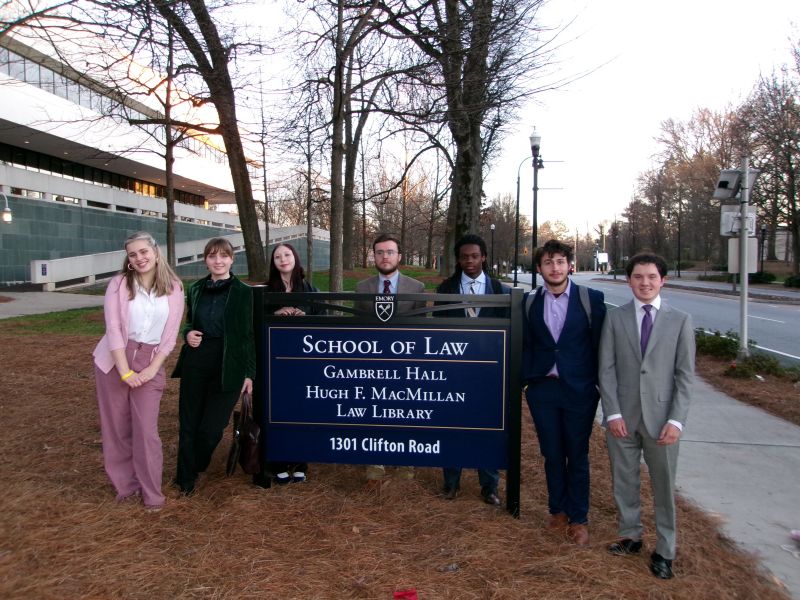
In COMM 201: Foundations of Communication, students spend a lot of time practicing public speaking. I’ve been particularly proud of my students who have participated in the Communication Department’s student-organized “Speak Your Mind” public speaking competition. Here’s a picture of me with some of my students from the 2024 Speak Your Mind competition!

Coaching
 Gabriel Wisnewski-Parks